

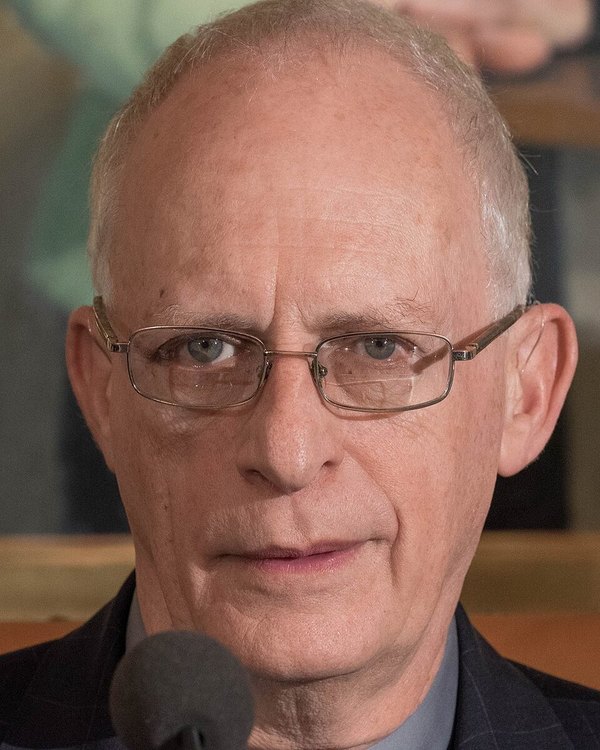
Photo: Bengt Nyman from Vaxholm, Sweden, CC BY 2.0, Wikimedia Commons
Oliver Hart
Harvard University
- Research field
- Contract theory, the theory of the firm, corporate finance
Oliver Hart asks what a firm is and where its boundary should lie when contracts cannot foresee every future situation. With Sanford Grossman (1986) and John Moore (1990) he showed that ownership of an asset means holding the right to decide whatever the contract left open, and that this right should go to the party whose investment in the relationship matters more. The theory, for which he shared the 2016 Nobel prize in economic sciences with Bengt Holmström, explains why a company buys a supplier instead of signing a contract with it, how debt and venture capital contracts allocate control, and when a government should provide a service itself. The unit presents his prize lecture as the answer to the question Coase opened in 1937.
In the masterclass
Section 5, after the make-or-buy decision and the hold-up, presents his power plant and coal mine example and the property-rights view of the firm.
The research is presented in Unit 9: Organizational Design and the Boundaries of the Firm, in a research spotlight box that explains the result at the level of the unit and links it to what you have just learned.