

BusMgmt Masterclass Blog
Explanations, background, and advice for curious students.
Latest articles

What the first large study of AI at work found
5,172 customer support agents, an AI assistant introduced team by team, and a result of 15 per cent more issues resolved per hour on average. The gain went mostly to the newest agents, and the most experienced gained almost nothing. Here is what the study measured and what it did not.

What founders give up in each round
Two founders raise 2 million at a pre-money valuation of 8 million, then 5 million, then 15 million. By the exit they own 45 per cent of a company sold for 30 million and receive 8 million of it. The cap table and the liquidation preference explain why.

How many visitors does an A/B test need
A website converts 3 per cent of its visitors, and a team wants to know whether a new page raises that to 3.5. The honest answer takes about 18,000 visitors per version, and checking the result early makes it wrong. Here is why.

Six days in the Suez Canal
On 23 March 2021 the Ever Given, 400 metres long and carrying 20,124 containers, ran aground across the Suez Canal. For six days about 12 per cent of world trade stopped. Here is what it cost, who paid, and what supply chains have done since.

The box that shrank the world
On 26 April 1956 a converted tanker left Newark with 58 metal boxes on its deck. The shipping container cut the cost of moving goods across an ocean by more than a factor of ten, and it decided where almost everything you own was made.

What a company is worth
A discounted cash flow valuation takes a company's published accounts, forecasts its free cash flow, discounts it at the cost of capital, and arrives at a value per share. Here are the ten steps, with a worked example and the uncomfortable fact about where most of the value sits.
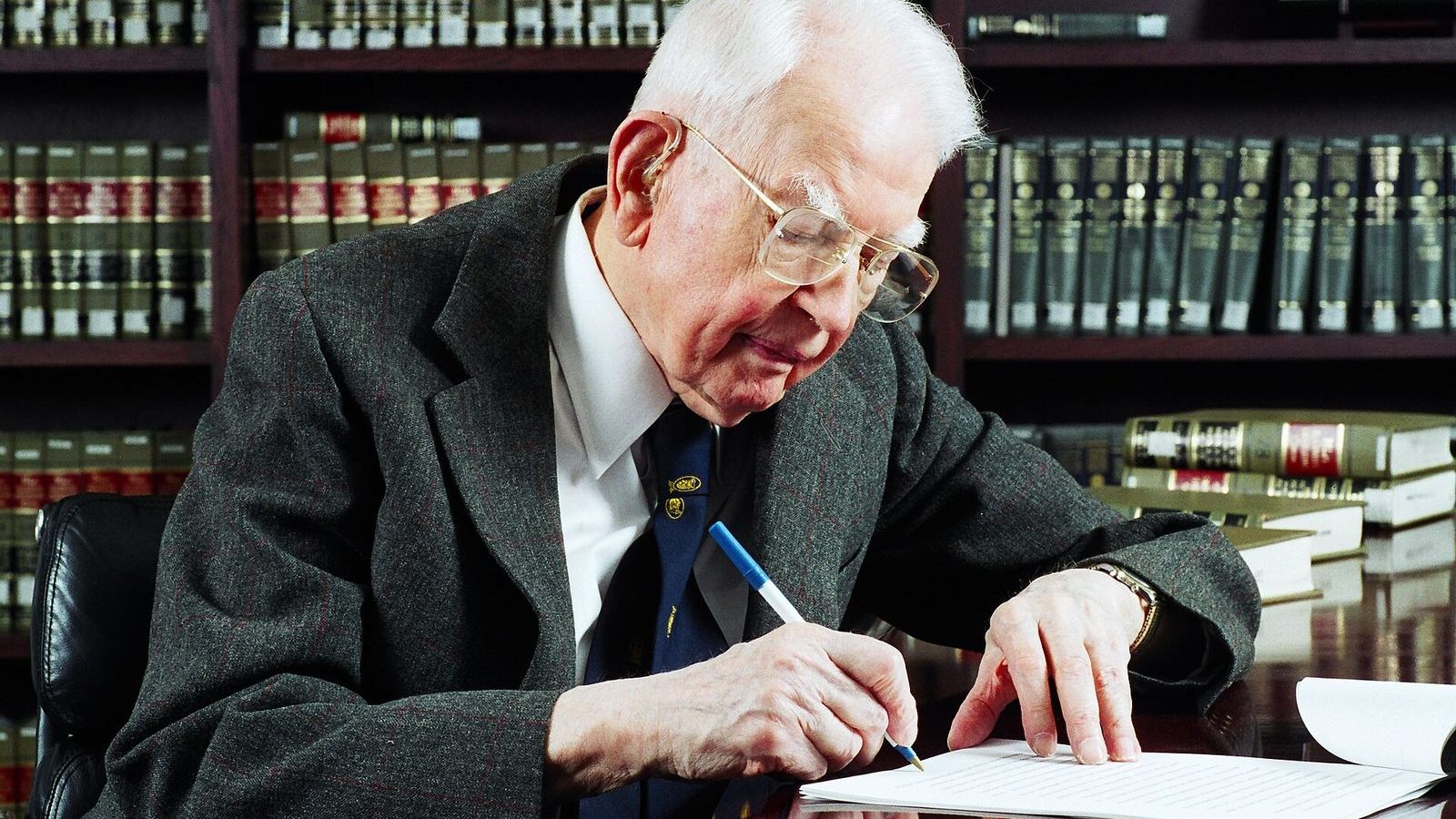
Why firms exist
If markets allocate resources so well, why do firms exist at all, with their managers and their orders? Ronald Coase asked the question in 1937, Oliver Williamson sharpened it, and Oliver Hart answered the part about who should own what.

Why Nokia lost
In the last quarter of 2007 Nokia sold 40.4 per cent of the world's mobile phones. Six years later it sold the business to Microsoft. The figures say the fall was not about hardware, and the iPhone was only half the story.

Does management matter? An experiment in India
Large textile plants near Mumbai were randomly chosen to receive free management consulting. Within a year the treated plants raised productivity by about 17 per cent, cut defects and inventory, and grew. It is the cleanest evidence that management is a technology.