 Image: Raimond Spekking (CC BY-SA 4.0)
The box that shrank the world
On 26 April 1956 a converted Second World War tanker called the Ideal X left Port Newark in New Jersey with 58 steel boxes bolted to a platform above her deck, bound for Houston. The boxes were 35 feet long, and they had been lifted onto the ship by crane in a few hours, each one already full of cargo that had arrived by lorry. Nobody had opened them at the dock, and nobody would open them at Houston, where they were lifted onto other lorries and driven away. The man who had paid for the experiment, a trucking company owner from North Carolina named Malcom McLean, had calculated that it cost 5.83 US dollars a ton to load loose cargo onto a ship by hand and that the boxes could be loaded for about 16 cents a ton.
Seventy years later, the largest ships carry more than 24,000 of the boxes in their standard size, and the cost of moving goods across an ocean has fallen so far that where a product is made is decided by wages, skills, and taxes, and almost never by the distance to the customer. Unit 12 of the masterclass starts with the container because nothing else in the history of business explains so much of the modern economy's shape.
What the box changed
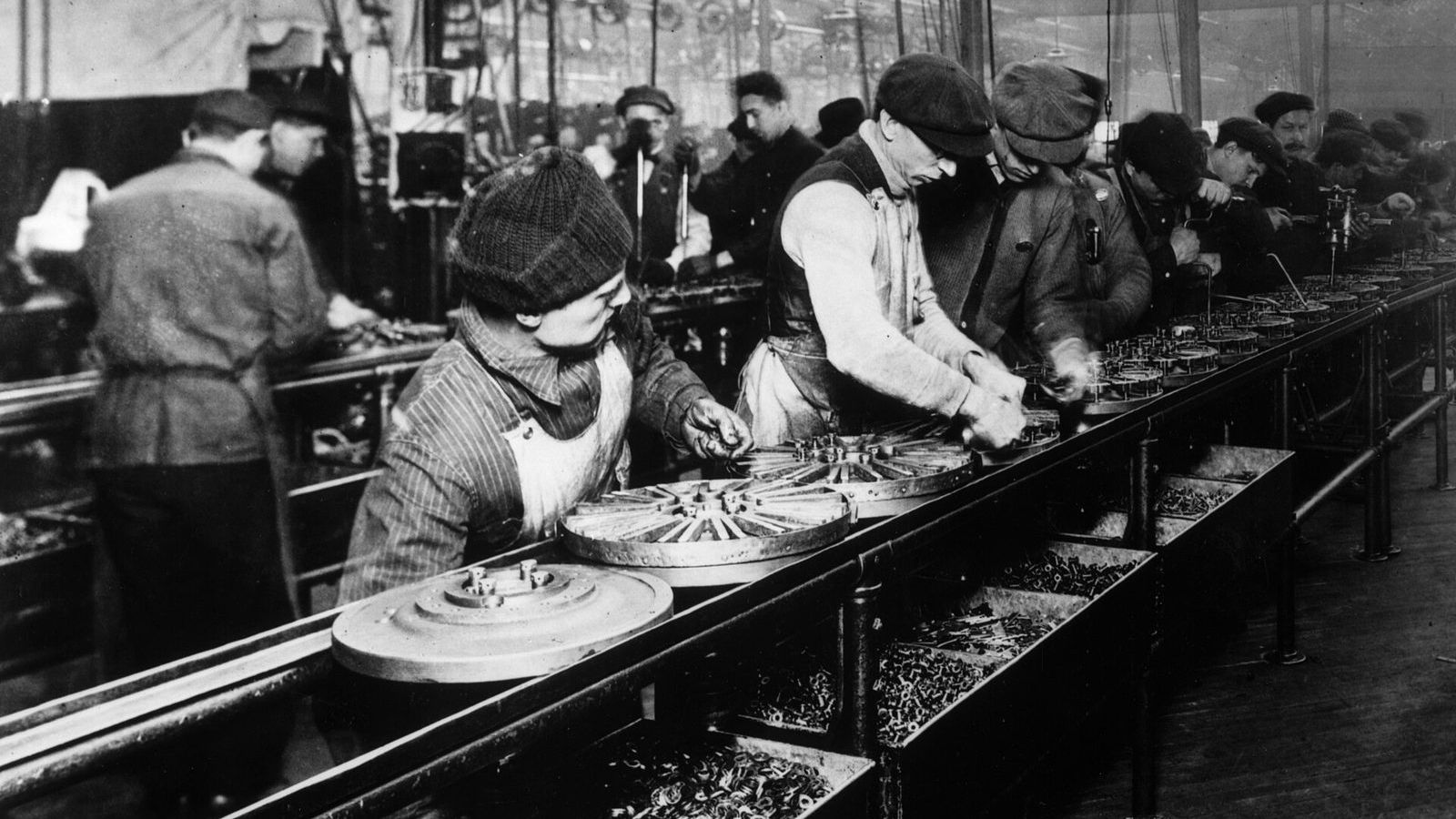
Before 1956 a ship was loaded by gangs of longshoremen who carried sacks, barrels, crates, and bales into the hold one at a time and stacked them by hand. A ship could spend half its life in port, and the loading cost, the theft, the breakage, and the time were together a large share of the cost of trade. Insurance companies charged accordingly.
The container turned that work into a crane lift. It also did something less obvious, which is why McLean, a trucker, saw it before the shipping lines did: it made the ship, the lorry, and the train parts of one system, so that a box packed in a factory in Ohio could travel to a shop in Hamburg without anyone touching its contents. The standard sizes, 20 and 40 feet long, were agreed internationally in the 1960s after years of argument, and the twenty-foot equivalent unit, the TEU, became the measure of everything: a ship's capacity, a port's throughput, the world's trade.
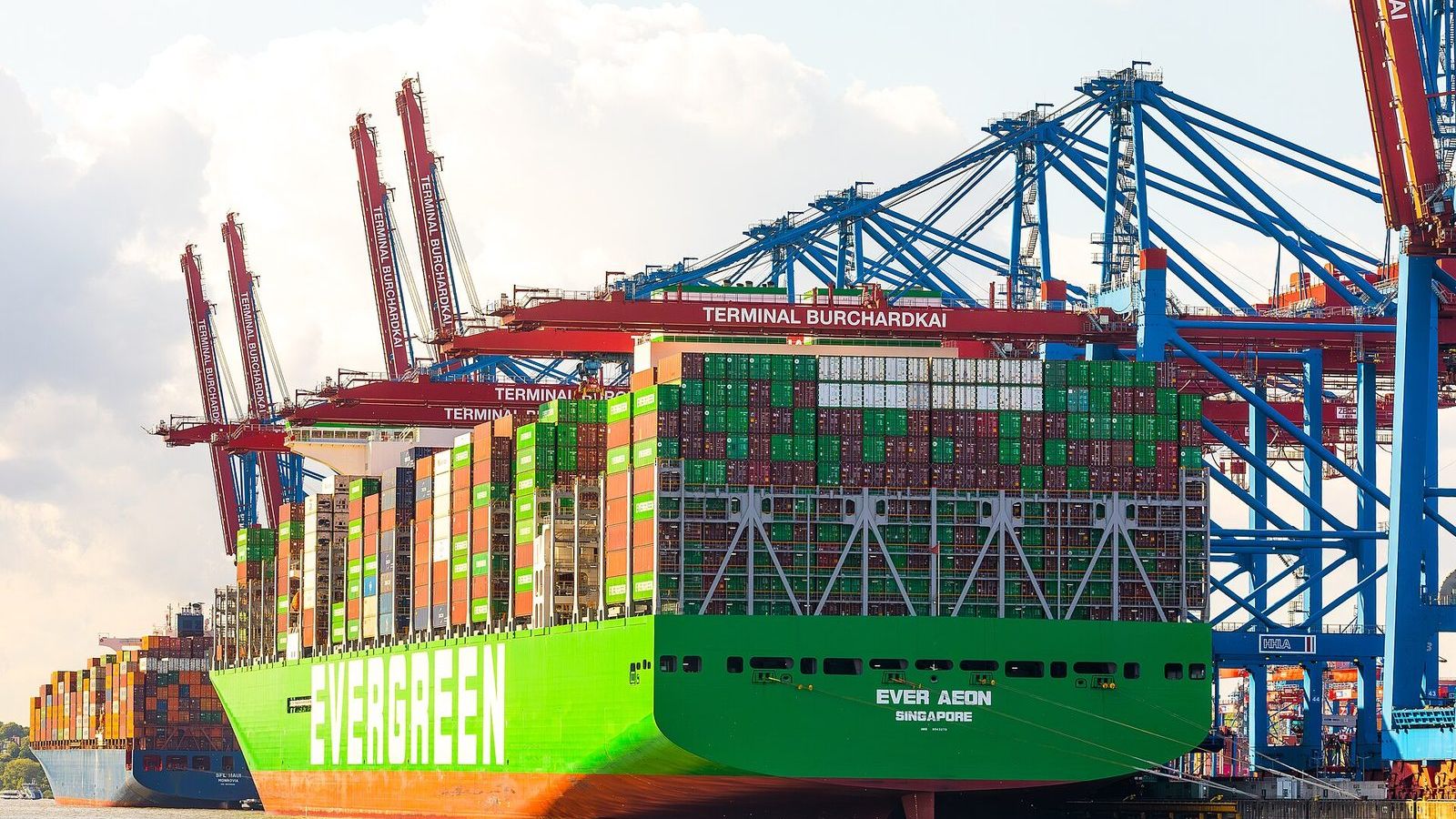
The ports moved. Loading a container ship needs cranes, flat land for stacking, and road and rail access, none of which the old city docks had. London's docks closed within fifteen years of the first container ships, and the trade moved to Felixstowe and Tilbury; New York's moved across the harbour to Newark and Elizabeth; the ports that grew were Rotterdam, Singapore, and, from the 1990s, the Chinese coast. The Kwai Tsing terminals of Hong Kong and the Burchardkai terminal in Hamburg, which appear in the units, handle in a day what a 1950s port handled in a month.
What it costs today
The price of shipping a 40-foot container is quoted every week by several indices. The Drewry World Container Index and the Freightos Baltic Index both publish the spot rate on the main routes, and in a normal year the rate from Shanghai to Rotterdam sits somewhere between 1,500 and 3,000 US dollars for a 40-foot box. In September 2021, at the height of the pandemic disruption, the Drewry composite passed 10,000 dollars, and in 2024 the closure of the Red Sea route to most lines sent rates up again for a year.
Take 2,500 dollars for the box. A 40-foot container holds about 5,000 to 6,000 pairs of shoes in their boxes, so the sea freight is roughly 45 cents a pair, on a pair that retails for 80 dollars. It holds about 10,000 shirts, which makes the freight 25 cents a shirt. Even at the 2021 peak, sea freight was a few per cent of the shop price of most goods, which is why the pandemic surge changed the price of furniture and bicycles, which fill a container with little value, and barely touched the price of electronics, which fill it with a great deal. Unit 12 works this calculation through for a container of shoes as its first worked case, with the freight rate from a named index on a named date.
Who gained
The gains went, in roughly this order, to consumers, who pay far less for manufactured goods than they would if those goods were made near them; to the countries that could offer low-cost manufacturing and a decent port, which is the story of Japan, then South Korea and Taiwan, then China and Vietnam; and to the retailers and brands that learned to design in one country, make in another, and sell in a third. The losers were the longshoremen, whose numbers in the port of New York fell by three-quarters within twenty years, and the factory towns of the rich countries whose products could now be made more cheaply at the far end of a sea route.
The shipping lines themselves did not gain much. The container made shipping a commodity, and the lines competed on price with ever larger ships whose capacity ran ahead of trade. Returns on capital in container shipping were below the cost of capital for most of the thirty years before 2020, a pattern that readers of the article on airlines on this blog will recognize. McLean's own company, Sea-Land, was sold to Maersk in 1999, and the shipping line he founded afterwards, United States Lines, went bankrupt in 1986 after ordering ships that were too large and too slow for the market. The inventor of the box died in 2001, and on the morning of his funeral container ships around the world sounded their horns.
The system and its weak points
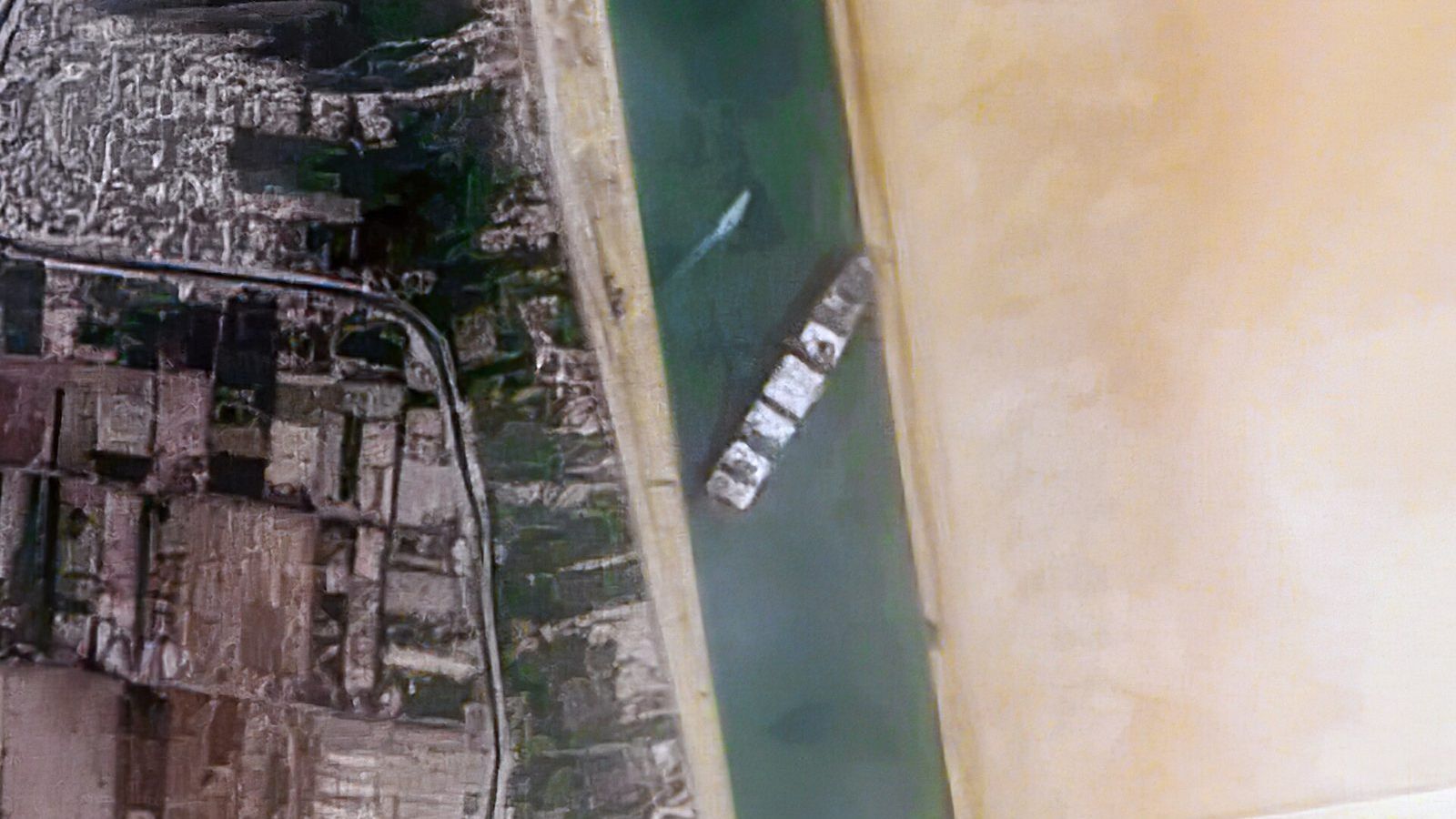
A system built on moving boxes cheaply across oceans has a cost that stayed hidden until 2021: it depends on a small number of ships, canals, and ports working all the time. The next article on this blog is about the week in March 2021 when one of the largest of those ships blocked the Suez Canal, and about what the companies that depend on the system have done about it since. Unit 12 takes both stories together, with the history of the container, the economics of where things are made, the bullwhip effect that makes orders swing more the further they are from the shop, and the policy that moves the chains.