

Operations and supply chains
Why Toyota lets any worker stop the line, how Ford cut the chassis time to 93 minutes, what Little's law says about queues, and six days in the Suez Canal. The articles follow the units on operations, quality, and lean production and on global supply chains and international business.
Articles
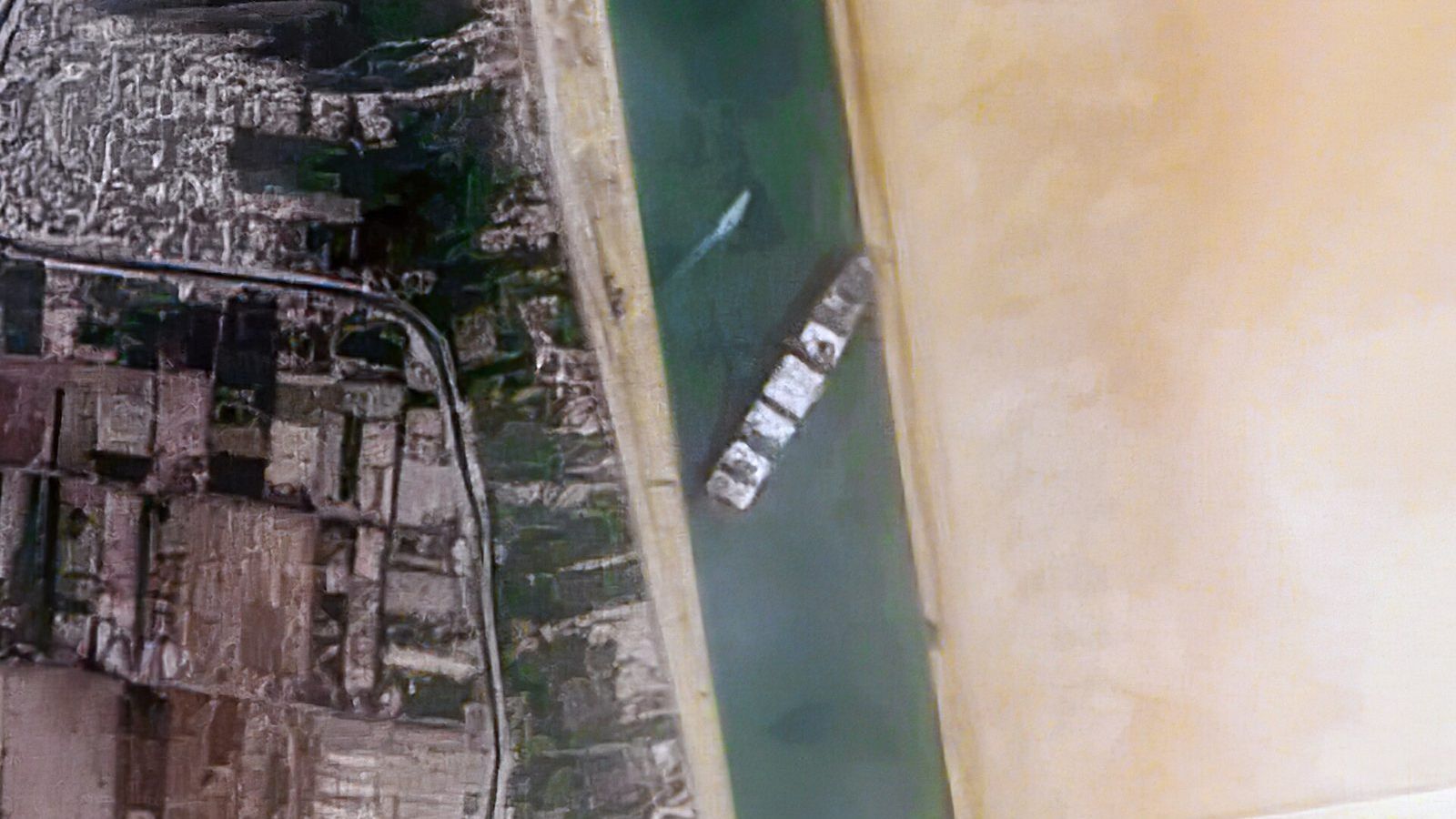
Six days in the Suez Canal
On 23 March 2021 the Ever Given, 400 metres long and carrying 20,124 containers, ran aground across the Suez Canal. For six days about 12 per cent of world trade stopped. Here is what it cost, who paid, and what supply chains have done since.
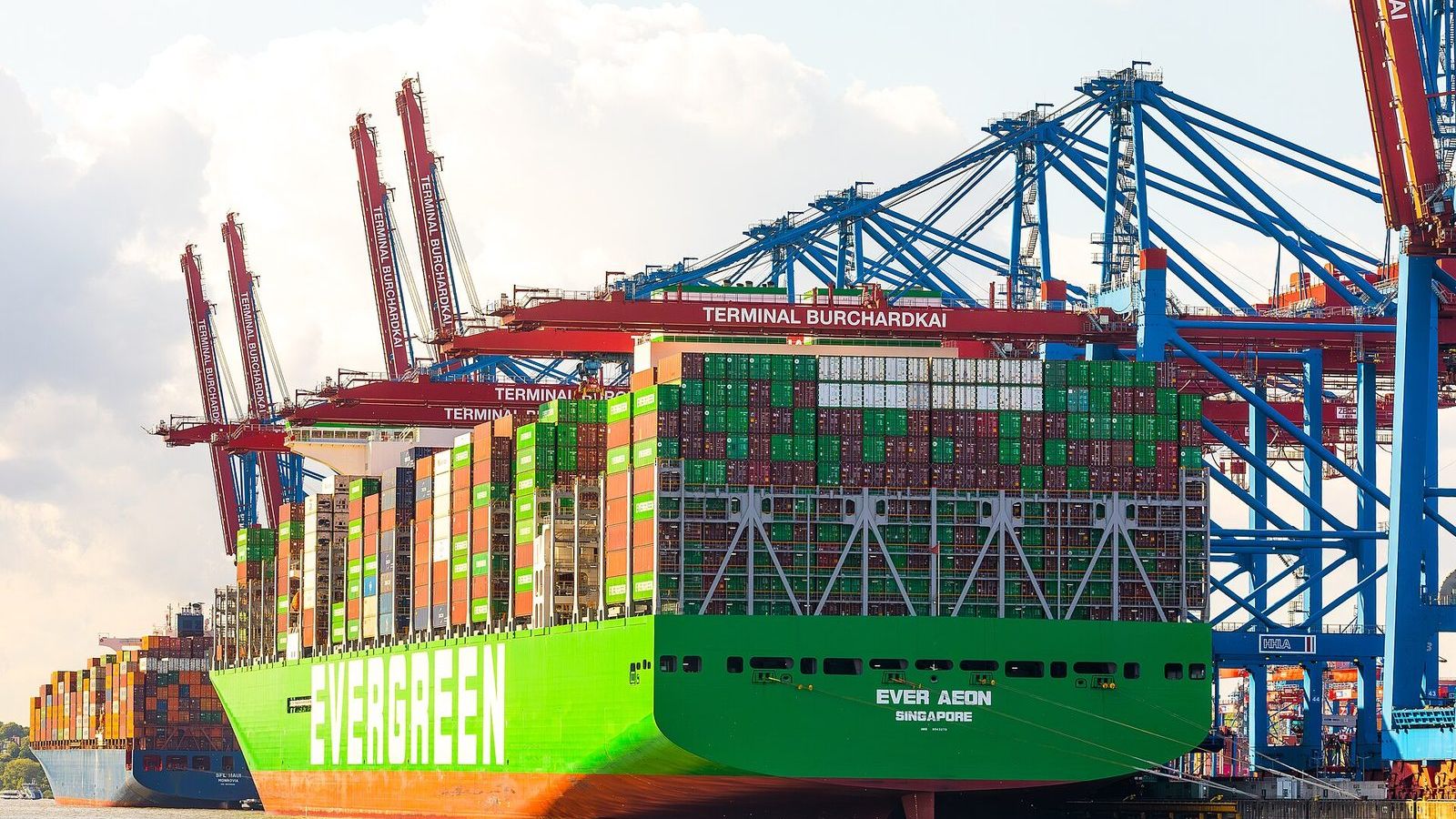
The box that shrank the world
On 26 April 1956 a converted tanker left Newark with 58 metal boxes on its deck. The shipping container cut the cost of moving goods across an ocean by more than a factor of ten, and it decided where almost everything you own was made.
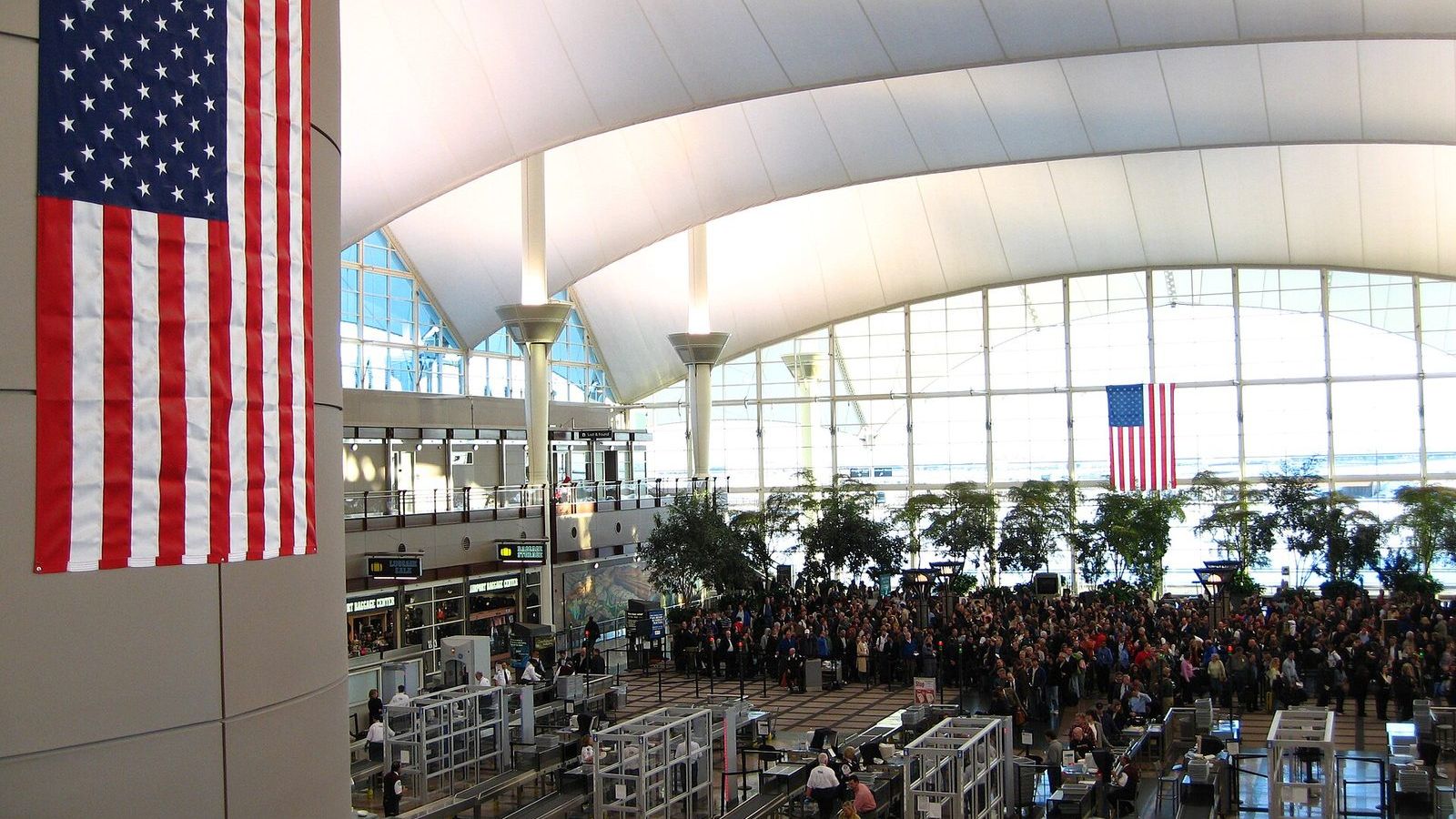
Little's law at the airport
A security queue of 200 people with 10 passengers a minute passing the scanners means a 20 minute wait. The relation behind that arithmetic holds for loan applications, hospital beds, and car plants, and it needs no assumptions about who arrives when.
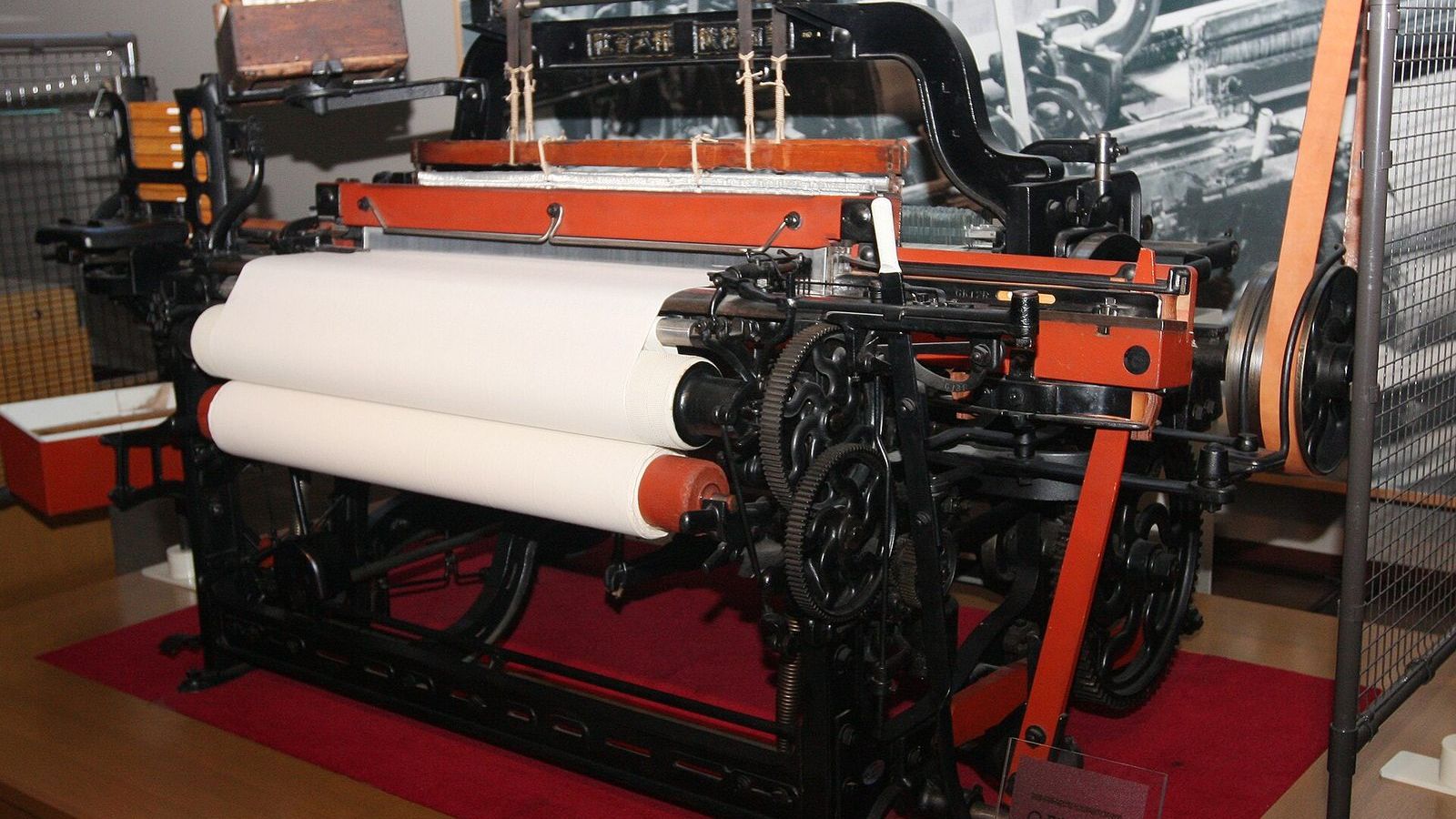
Why Toyota lets any worker stop the line
On a Toyota assembly line anyone who sees a defect can pull a cord and halt production. The idea goes back to a loom that Sakichi Toyoda built in 1924, which stopped itself whenever a thread broke, and it rests on a comparison of two costs.

93 minutes
On 7 October 1913 Ford started pulling chassis past stationary workers at Highland Park. Within a year the time to build one fell from about 12.5 hours to 93 minutes, the wage doubled, and the price of a Model T began a fall that lasted a decade.