

The numbers of business
Mark-up against margin, the break-even quantity of a cafe, why a profitable company runs out of cash, and how a listed company is valued from its accounts. These articles go with the units on the manager's toolkit, customers and pricing, the financial statements, money over time, and corporate finance, and each one works through a real case with figures from a named source.
Articles

What a company is worth
A discounted cash flow valuation takes a company's published accounts, forecasts its free cash flow, discounts it at the cost of capital, and arrives at a value per share. Here are the ten steps, with a worked example and the uncomfortable fact about where most of the value sits.

Kodak built the first digital camera
In 1975 Steven Sasson, an engineer at Kodak, built a camera that recorded a black and white image of 0.01 megapixels on a cassette tape. Kodak went on to sell digital cameras by the million. The problem was never that it missed digital; it was the margin.
Profitable and broke
A company that gives its customers 60 days to pay, pays its own suppliers in 30, and grows at 10 per cent a month can report a profit every month and run out of cash by the autumn. Here is the month-by-month arithmetic.

How many coffees pay the rent
A cafe with rent, wages, and a 3.20 euro cappuccino has a number it must reach every month before it earns anything. Here is how to find that number, what it depends on, and what happens to it when the price falls by 10 per cent.
Mark-up is not margin
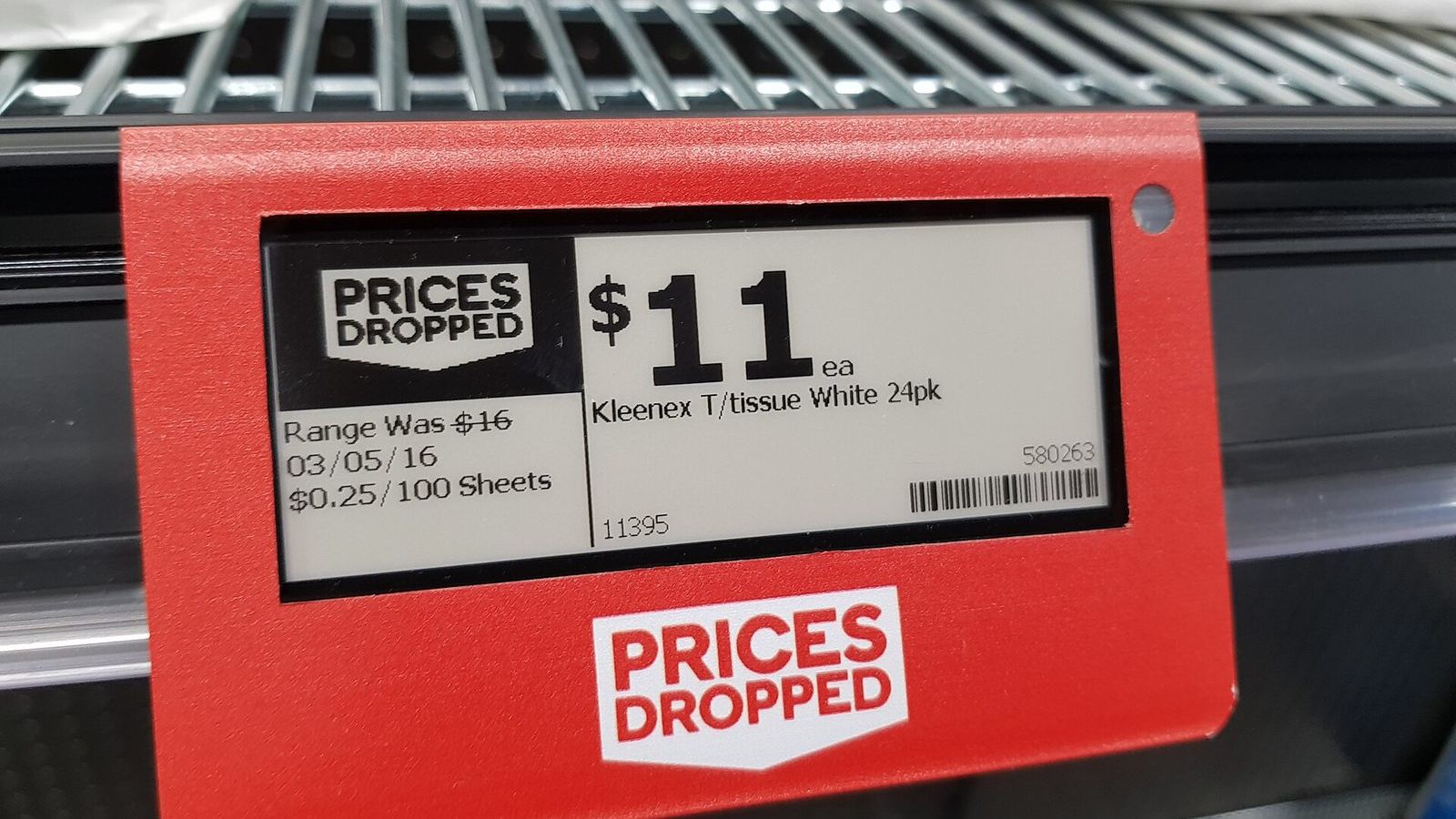
A 50 per cent mark-up on cost is a 33 per cent margin on price. Shops, start-ups, and students mix the two up every day, and the mistake is expensive in a predictable direction. Here is the arithmetic and the quick conversion.
In the masterclass
The Manager's Toolkit
What a firm is, what managers do, and the arithmetic every later unit uses
Customers, Markets, and Marketing
How firms choose their customers, set their prices, and measure what a customer is worth
Reading Financial Statements
The balance sheet, the income statement, and the cash flow statement, and how they are linked
Money over Time and Investment Decisions
Interest, discounting, net present value, and a real decision about whether to buy or lease
Corporate Finance and Valuation
The cost of capital, the capital structure, and a full valuation from published accounts