

Strategy and competition
Why airlines rarely make money and concentrate makers do, why leaders such as Kodak and Nokia lost their place, and why firms exist at all. These articles belong to the units on industries and competitive advantage, the rise and fall of companies, the boundaries of the firm, and disruptive innovation.
Articles
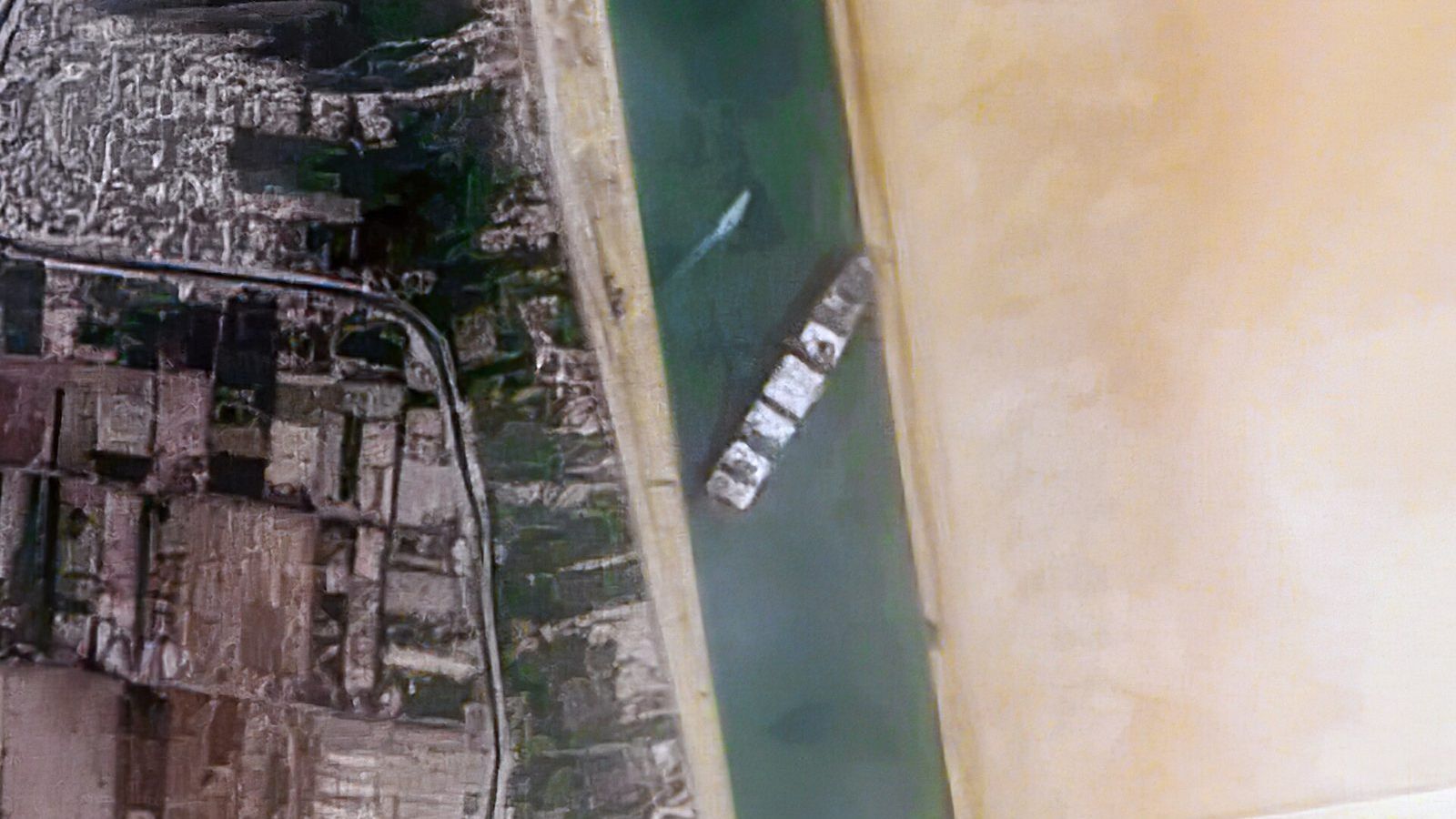
Six days in the Suez Canal
On 23 March 2021 the Ever Given, 400 metres long and carrying 20,124 containers, ran aground across the Suez Canal. For six days about 12 per cent of world trade stopped. Here is what it cost, who paid, and what supply chains have done since.

Why firms exist
If markets allocate resources so well, why do firms exist at all, with their managers and their orders? Ronald Coase asked the question in 1937, Oliver Williamson sharpened it, and Oliver Hart answered the part about who should own what.

Why Nokia lost
In the last quarter of 2007 Nokia sold 40.4 per cent of the world's mobile phones. Six years later it sold the business to Microsoft. The figures say the fall was not about hardware, and the iPhone was only half the story.

Kodak built the first digital camera
In 1975 Steven Sasson, an engineer at Kodak, built a camera that recorded a black and white image of 0.01 megapixels on a cassette tape. Kodak went on to sell digital cameras by the million. The problem was never that it missed digital; it was the margin.

Why airlines rarely make money
Over most of its history the airline industry as a whole has earned less than its cost of capital, while the makers of soft drink concentrate have earned some of the highest returns of any business. Porter's five forces, drawn for airlines, explain the gap.
In the masterclass
Industries, Competitors, and Competitive Advantage
Why some industries earn far more than others, and how one firm beats its rivals
The Rise and Fall of Companies
How firms grow, why market leaders lose their place, and what good management is worth
Organizational Design and the Boundaries of the Firm
How work inside a firm is divided and coordinated, and where the firm ends
Disruptive and Architectural Innovation
Why well-run market leaders miss some new technologies, and what they can do about it