

People, teams, and leadership
What the Hawthorne studies actually found, why the best-led nursing teams reported more mistakes, and what free consulting did for textile plants in India. These articles go with the units on people, motivation, and teams, on the rise and fall of companies, and on leadership, decisions, and corporate culture.
Articles

Does management matter? An experiment in India
Large textile plants near Mumbai were randomly chosen to receive free management consulting. Within a year the treated plants raised productivity by about 17 per cent, cut defects and inventory, and grew. It is the cleanest evidence that management is a technology.
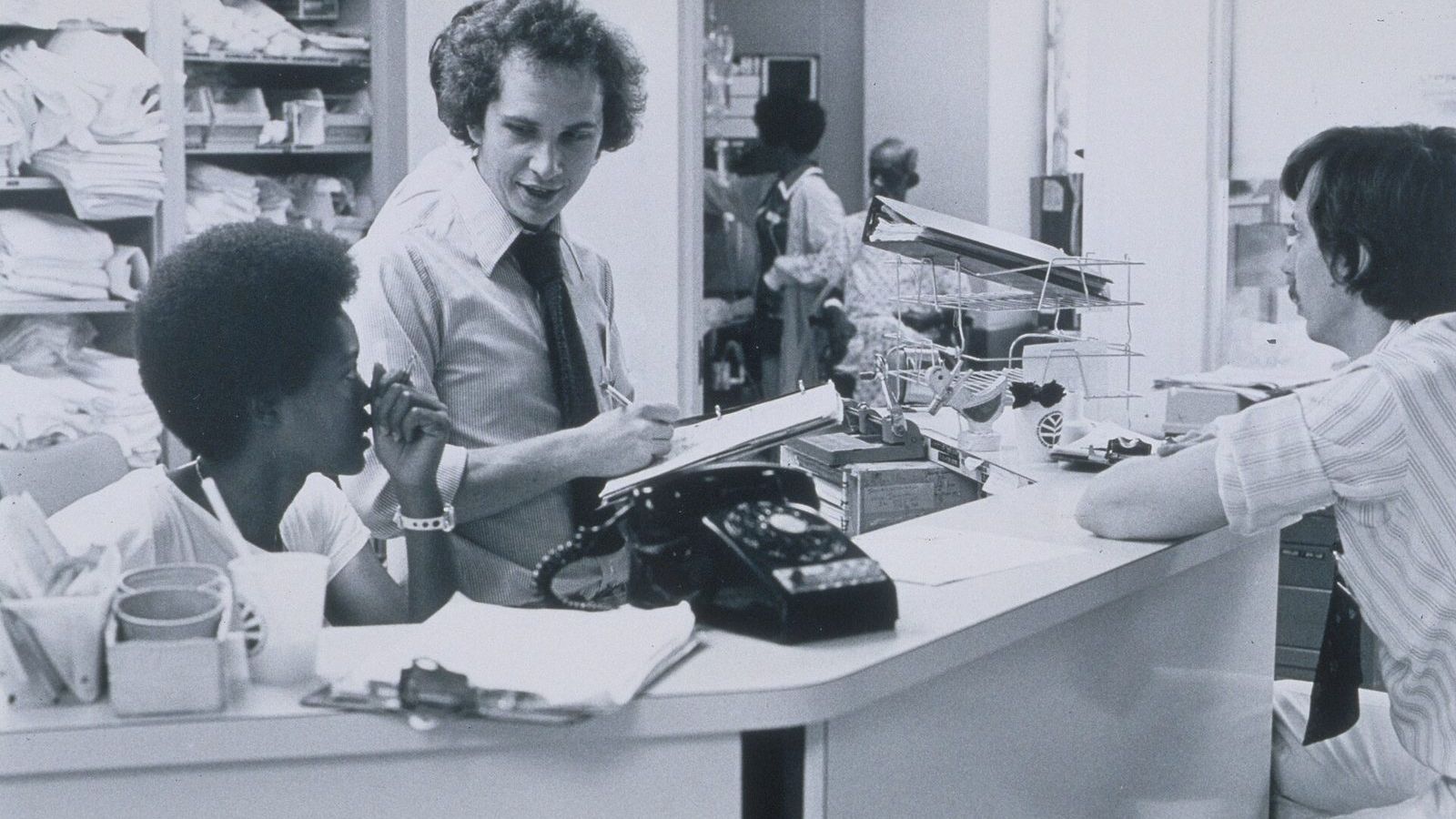
The team that reported more mistakes
In 1996 Amy Edmondson studied nursing teams in two hospitals and expected the best-led teams to make the fewest medication errors. They reported the most. The explanation became psychological safety, and it is not the same as being nice.
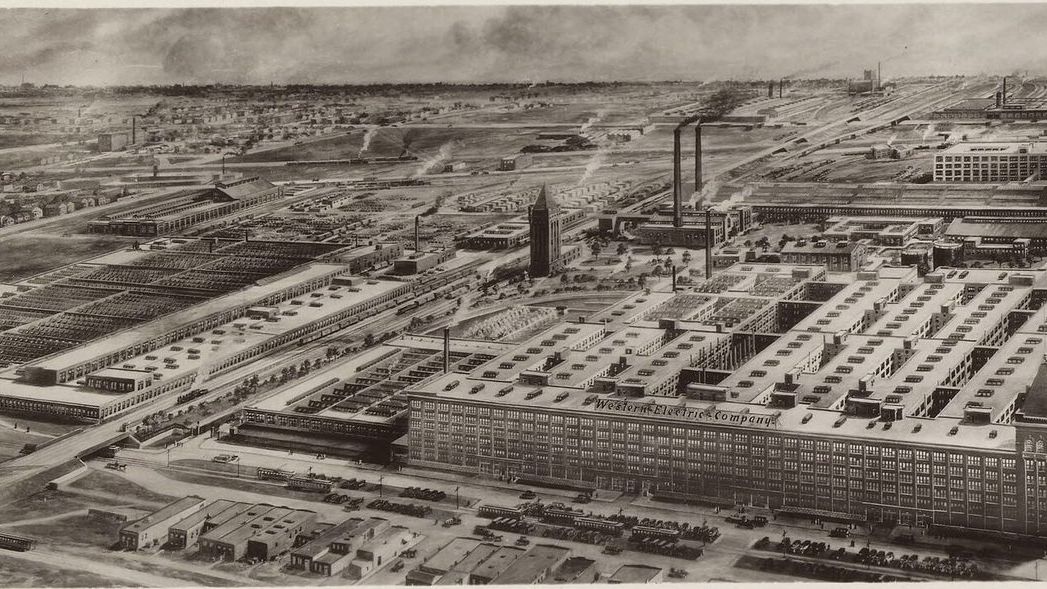
What the Hawthorne studies actually found
Every textbook says that workers at the Hawthorne Works produced more simply because they were being watched. The original illumination data turned up on microfilm in 2011, and the re-analysis found only slight evidence of the effect. Here is what happened at the plant.
In the masterclass
People, Motivation, and Teams
What the evidence says about pay, goals, teams, and working from home
The Rise and Fall of Companies
How firms grow, why market leaders lose their place, and what good management is worth
Leadership, Decisions, and Corporate Culture
How decisions are made under uncertainty, whether the person at the top matters, and what a culture is